


What to do (and not do) after diving

Whether you've just finished an epic drift dive or a serene shore dive, what you do after getting out of the water is just as important as the dive itself. Your body needs time to recover and safely eliminate the gases (mainly nitrogen) that have been absorbed during a dive. That process is called off-gassing:
To put it simply, when we dive and breathe compressed air at depth, our body is exposed to gasses, some of which, mainly Nitrogen, cannot be metabolised. Therefore, the Nitrogen that we absorb into our tissues on the dive, will need to come back out of those tissues as the pressure decreases (when we surface). We continue to off-gas well after the dive has ended. The important part is, that during this process of off-gassing – which can take several hours, we need to allow the body to do this gently.
Here’s your post-dive guide: what to do, what to avoid, and why it all matters.
What you should do after a dive:
1. Relax and Take It Easy
After diving, while your body is off-gassing, resting allows your circulatory system to release the bubbles safely and efficiently. Give your body a break and avoid unnecessary physical strain.
Tip: Chill out with a book, take a nap in a hammock, or just sit by the water and chat with your dive buddies. Keep it shady and avoid too much sunbathing.

2. Stay Hydrated
Diving can (and will) dehydrate you, especially in warm climates. Proper hydration helps your body process and eliminate nitrogen.
Tip: Drink water or electrolyte drinks – not just coffee or soda. Aim for clear fluids that support circulation and hydration.
3. Log Your Dive
While it might seem like a small task, logging your dive while it’s still fresh in your mind is a great way to reflect on the experience and track your progress.
Bonus: Review your air consumption and buoyancy; it’s a great way to learn and improve. Get those fish ID books out and find out what you spotted on the dive.
4. Eat Something Nourishing
You’ve burned calories, possibly skipped a meal, and now your body needs fuel. Choose something balanced – ideally with protein, healthy fats, and complex carbs.
Keep it light: avoid heavy meals and greasy junk food right after diving.
5. Enjoy a Sunset or Take a Gentle Walk
Light, non-strenuous activity can be a great way to wind down without putting stress on your system.
Just avoid elevation changes or overly intense activity.
What you shouldn't do after a dive:
1. Don’t Fly Too Soon
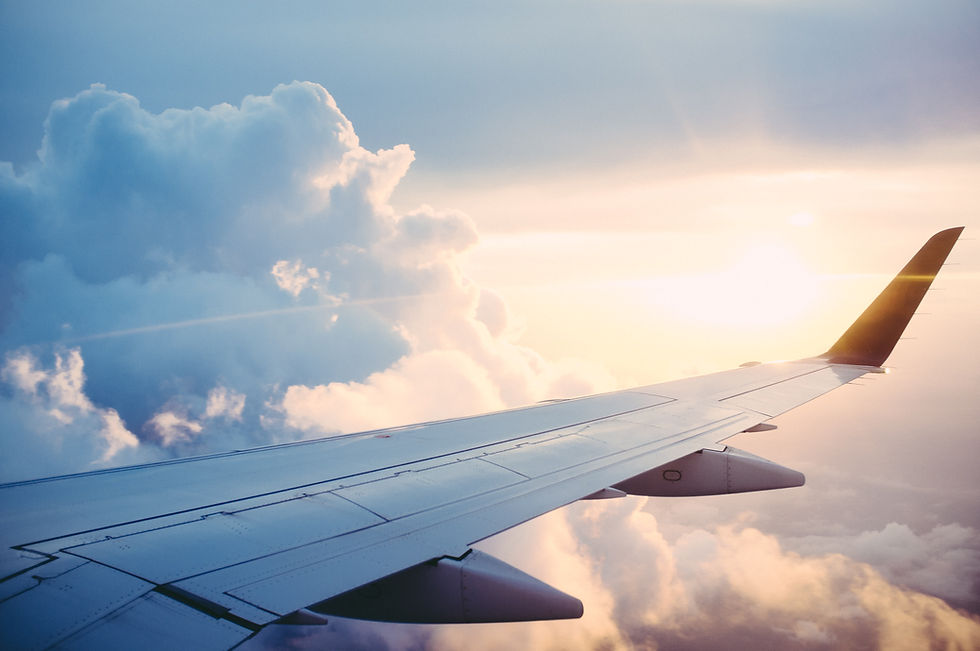
This is probably the most well-known rule: don’t fly for at least 18 hours after your last dive. Flying increases the risk of decompression sickness (DCS) because of the reduced cabin pressure at altitude, which can cause the Nitrogen to expand into harmful bubbles.
Wait for 24 hours before flying to be safe. Always plan your dive trip with this buffer in mind.
2. Generally Avoid Altitude
Driving up or climbing mountains or volcanoes will expose you to the pressure change which happens at altitude. This will increase the risk of decompression sickness, even hours after a dive.
Stick to sea level activities for a full 24 hours if possible – climb that mountain tomorrow!
3. Avoid Strenuous Exercise
Heavy workouts, long runs, or intense strength training right after diving can increase your risk of DCS. Physical exertion increases heart rate and blood pressure, which will interfere with nitrogen elimination and raise the risk of bubble formation. This includes high adrenalin sports such as Bungee jumping or ziplining – which are usually done at altitude – so a double no!
Stick to light activity, and save your gym session for the next day.

4. No Deep Tissue Massages
Massages – especially deep tissue massage – can increase blood flow and thus increase the risk of bubble formation.
If you want a massage, wait at least 12 hours post-dive.
5. Don’t Drink Alcohol Right Away
Alcohol dehydrates the body and impairs judgment – not a great combo when you’re still off-gassing nitrogen. It can also mask symptoms of DCS.
Wait until the evening or the next day, and drink in moderation once you’re well hydrated and rested.
6. Avoid Hot Tubs, Hot Baths or Saunas
Having a hot bath or sitting in a hot tub may seem like a lovely idea after a dive, but the sudden increase in temperature can increase the risk of bubble formation and should be avoided directly after diving
Wait a few hours before jumping into the heat

7. Freediving
Due to the potential presence of Nitrogen bubbles still in your tissues, Freediving should be avoided because of the pressure changes. Allow the same rules to Freediving after diving, as you would for flying after diving.
Avoid freediving for 18 – 24 hrs after diving
Stick to the surface if you want to snorkel
If you’re looking for ways to enjoy your surface interval or post-dive time without putting yourself at risk, try:
Beach walks or tidepool exploring
Relaxing at a café with your dive log and a cool drink (non-alcoholic)
Photography
Gentle yoga or stretching
Marine life sketching or journaling
Watching the sunset
Planning your next dive!

Diving doesn’t end when you climb back on the boat or step onto the shore. Respecting the post-dive period is crucial to staying safe, healthy, and ready for more underwater adventures.
So go ahead—take it easy, hydrate, relax, and soak in the joy of the dive. You’ve earned it.


